Society
“That time of the month”
More than 5,000 words, just so we don’t have to say “period”. Where the taboo comes from – and what it costs us.
“That time of the month.” “Shark week.” “Having the painters in.” We have so many ways of not saying the word that we rarely notice how much effort goes into avoiding it. Why is something that happens to half of all people every month still said in a whisper?
Five thousand ways not to name it
In 2016, the period-tracking app Clue and the International Women’s Health Coalition (IWHC) published a survey of 90,000 people in 190 countries. It collected more than 5,000 euphemisms for menstruation.2,3
In German it’s “strawberry week”. In Japanese, “girl’s day”. In Spanish, simply “the rule”.3 Some sound sweet, others funny. But they all do the same job: they let us talk about periods without naming them.
Where the silence comes from
The World Health Organization explains the root of the problem: social norms and taboos spread the myth that menstruation is inherently dirty or unclean and something to be ashamed of. That leaves people feeling it must be hidden or kept secret.1
The cost of shame
The taboo isn’t just awkward. In the Clue survey, 17% of participants worldwide said they had missed work, school or an event because they were afraid someone would find out they had their period. In Australia, Brazil and Chile the share reached a quarter.2
According to the WHO, menstrual stigma can limit health and well-being, years of education completed, wages and income from paid work, and a sense of social and cultural belonging.1
There is a quieter cost too. When period pain is treated as something you just put up with, serious conditions go unnoticed. With endometriosis, for example, diagnosis takes on average between 4 and 12 years – partly because the people around a woman, often including health professionals, don’t know that such pain isn’t normal.4
Silence doesn’t protect anyone. It just leaves each of us to cope alone.
When the taboo becomes dangerous
In some parts of the world the taboo takes a literal form. In remote areas of Nepal, women on their period and after childbirth have been forced to sleep in a hut away from home – a custom known as chhaupadi. People have died there: in 2017 a teenage girl died after being bitten by a snake while sleeping in such a hut.5
In August 2017, Nepal’s parliament made forcing a woman to follow the custom a crime, punishable by three months in jail, a 3,000-rupee fine, or both.5 The law is an important step. But laws on their own don’t change habits – conversations do.
Men are part of the conversation too
The Clue survey found big differences between countries in how comfortable people feel talking about periods with men – colleagues, classmates or relatives.2 The taboo isn’t just “a women’s thing”. Fathers, brothers, partners and teachers who know what a period is make life easier for everyone around them.
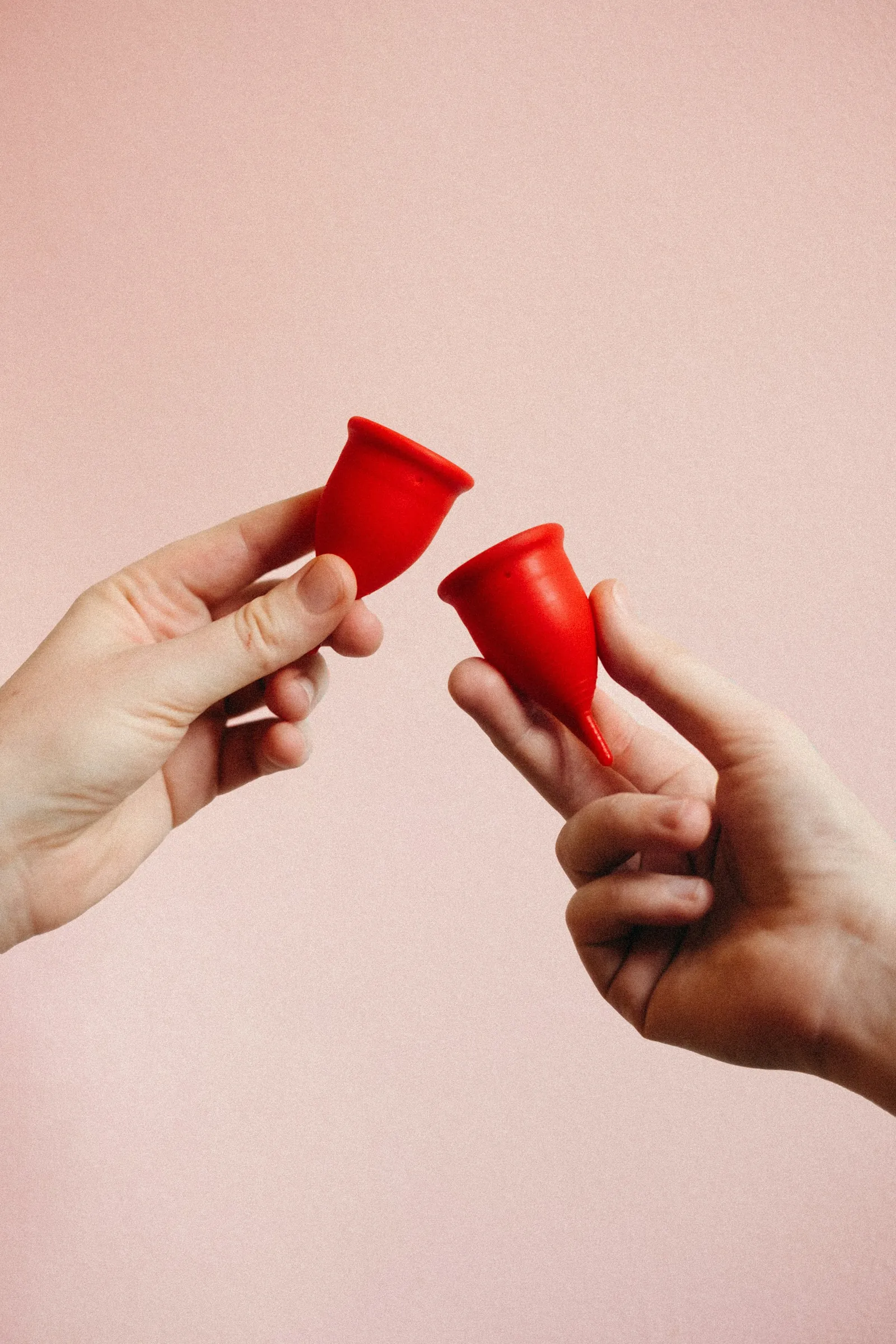
What we can change
- Say “period” or “menstruation”. The word isn’t rude.
- Don’t hide your pad up your sleeve on the way to the toilet. Nobody hides their tissues.
- Talk to your children – girls and boys alike. The WHO recommends accurate, age-appropriate menstrual health education for school-aged children before their first period.1
- If someone complains of severe pain, don’t answer “that’s normal”. Suggest they see a doctor.
Taboos don’t disappear through a law or a campaign. They disappear when enough people start talking calmly about something they used to keep quiet about. It can start with you.
Sources
- World Health Organization. Menstrual health – fact sheet, 18 June 2026.
- SBS News (via AAP). Women use 5000 euphemisms for periods, 2 March 2016.
- Clue. Top euphemisms for period by language.
- World Health Organization. Endometriosis – fact sheet, 15 October 2025.
- Al Jazeera. Nepal criminalises isolation of menstruating women, 9 August 2017.